
Research Focus
What patterns and trends exist in the representation of 20th-century-born artists in the collections of four major U.S. museums, and how does the diversity among these artists reflect the zeitgeist of their time?
Zeitgeist
/ˈzaɪt.ɡaɪst/
The general set of ideas, beliefs, feelings, etc. that is typical of a particular period in history —— Zeitgeist, Cambridge Dictionary
Our Targeted Museums
- Museum of Modern Art (MoMA), 1929, New York
- San Francisco Museum of Modern Art (SFMoMA), 1935, San Francisco
- Museum of Contemporary Art (MoCA), 1979, Los Angeles
- Whitney Museum of American Art (Whitney Museum), 1930, New York
Main Observations:
- White-male artists dominate targeted museums’ collections.
- North American artists are represented the most.
- Women are being underrepresented across demographics.
- The increase in diversity among non-white artists represented in museums is observed in groups born between the 1940s and 1960s.
- The Baby Boomers (Born between 1946-1964) are represented the most in targeted museums’ collections.
Analysis
We organized our analysis on patterns and trends based on the demographic dimensions of artists in the dataset: gender, ethnicity, regional origin, and birth decade/generation. (Click on each to see more)
Gender
The issue of gender inequality in the art field is particularly striking, as data from four major modern and contemporary art museums reveal a stark gap between the number of male and female artists represented. It is clear that female artists are seriously underrepresented in our targeted museums.
Data Visualization 1:

Data Visualization 2:

Bar charts are ideal for comparing quantities or the size of categories, highlighting differences among groups, and summarizing data at a glance. While line charts are effective tool for visualizing trends and changes over time, offering clarity in identifying patterns and anomalies such as unusual peaks or declines. The two data visualizations above vividly illustrate the significant gender disparities in artist representation. Male artists constitute an overwhelming 81% of those featured in museum collections, and in every decade of the 20th century, the number of male artists represented consistently exceeds that of female artists born during the same period. Notably, although the representation in museums of female artists born between the 1940s and 1960s shows an increasing trend from 14% to the peak of 31%, there is still a huge gap between them and male artists.
This imbalance reflects a deeply rooted historical continuity of gender discrimination, perpetuating the marginalization of women in the art world. The art world has always been male-dominated. During the mid-19th century, as the modern era ushered in increased social mobility and fostered a more open art discourse within the male-dominated “public sphere,” women were still largely confined to the domestic realm of the “women’s sphere”, meaning constrained by domestic work, lacking equal opportunities and social network. These social and institutional barriers made it exceptionally challenging for women artists to gain recognition and achieve success. Their work was often dismissed as inferior and routinely categorized as “apprentice” efforts rather than serious art (Chadwick 228-250). These attitudes obscured the visibility and contributions of women in the art world.
Ethnicity
“I walked into one gallery in SoHo and asked, ‘Are you looking at work?’ They said, ‘Yes, but we don’t show black art.’”
—— Beverly Buchanan
(Addressed in a 1985 symposium about his encounter with a New York gallery in the early ’70s. )
The table below shows white artists dominate museum collections, comprising an overwhelming 87.36% of those represented. Among non-white artists, Asian artists have slightly edge in museums representation, at 6.48%, while Black artists are the least represented, at only 2.27%.
| Race/Ethnic | Number | Percentage of Total |
| Black | 35 | 2.27% |
| Hispanic/Latino | 60 | 3.89% |
| Asian | 100 | 6.48% |
| White | 1348 | 87.36% |
This stark disparity underscores a historical and systemic marginalization of non-White artists, rooted in racial inequities that permeate cultural institutions. The art world, like many other societal sectors, has historically privileged Eurocentric narratives and aesthetics, relegating artists of color to the margins. Institutional gatekeeping, lack of access to elite art networks, and biases in collecting practices have compounded this imbalance, severely limiting opportunities for artists of diverse racial and ethnic backgrounds to gain recognition. Black artists, in particular, have faced entrenched exclusion, their works often undervalued or ignored in favor of predominantly White-centric artistic canons, as shown in the encounter of Beverly Buchanan. This exclusion not only erases significant contributions by artists of color but also perpetuates a narrow, incomplete narrative of artistic and cultural history, leaving museum collections unrepresentative of the diverse societies they claim to serve.
Data Visualization 3:

Data Visualization 4:

Data visualization 3 shows the dominance of white artists in our target museums, significantly overshadowing artists from other racial/ethnic groups throughout the 20th century. Data visualization 4 provides a detailed look at the changes in representation of each non-white group over the century. As the graph shows, all three non-white artist groups experienced a common upward trend in representation, beginning with artists born after the 1940s. This growth continues strongly, peaking with artists born in the 1960s. The overall percentage of non-white artists represented in museums also increases, from 7% for groups born in the 1940s to 22% for groups born in the 1960s. These findings underscore the significance of the 1940s to 1960s period, which will be explored in greater detail in the following sections.
Regional Origin
The map below highlights the overwhelming dominance of North American artists, who account for approximately 63% of the total representation. European artists follow, making up about 29%. Together, North American and European artists constitute around 92% of the total representation, underscoring the persistent Western-centric focus of major U.S. museum collections. These huge regional disparities call for critical reflection on the inclusivity and diversity of these institutions. Given that our focus is on four major U.S. museums, the prominence of North American artists is somewhat expected, as these institutions naturally center domestic narratives. However, since the major U.S. art museums also play a pivotal role in shaping global contemporary art discourse, such dominance might suggest that their practices are often at the expense of a truly global perspective.
Map 1:

Generation
We categorized the “Birth Year” (decade-born) data in our dataset using contemporary generational classifications. As shown in the visualization below, “Baby Boomer” artists (born between 1946 and 1964) are the most represented generation among 20th-century artists, accounting for a dominant 45% of the targeted museum collections. This highlights their substantial presence and influence in the art world. Moreover, the analysis of diversity in both gender and ethnicity reveals a shared increase in artist representation across these two major demographic dimensions among groups born between the 1940s and 1960s, meaning that they are all Baby Boomer artists. Therefore, understanding the Baby Boomer artists dominance is essential for investigating in our research focus: How does these pattern and trend in diversity reflect the zeitgeist of their time?
Data Visualization 5:

In the following discussion, we will use the dominance of Baby Boomer artists in art museums as a lens to examine the intersection of 20th-century social and cultural contexts with the art world, capturing and summarizing the era’s prevailing zeitgeist.
A Twin Wave of Social Change and Art
The Big Picture
The 20th century marked a period of unprecedented social and cross-cultural mobility, characterized by both prosperity and catastrophe on a massive scale. Among the many radical social changes in the U.S., three stand out as particularly relevant to our project: the Immigration Boom (1900–1915), the Civil Rights movement (1958–1964), and the Second-Wave Feminism movement (1960–1980).
One particularly intriguing aspect of the U.S. Immigration Boom in 1900-1915 was the scale and diversity of the immigrant population. According to the U.S. Library of Congress, over 15 million immigrants arrived in the U.S. during that period—roughly the same number as in the previous 40 years combined. Unlike earlier waves, these newcomers predominantly came from non-English-speaking European countries such as Russia, Italy, and Poland. This influx significantly increased societal diversity and cultural exchange, creating a more pluralistic and dynamic social environment.
This rise in diversity laid the groundwork for broader calls for equality, representation, and civil rights across demographics. Such spirit was especially prominent in the Baby Boomer era (1946-1964), a transformative period marked by a large number of marches and parades that reshaped America’s social, political, and cultural landscape. It also catalyzed profound movements including the the Civil Rights movement (1958–1964) and Second-Wave Feminism movement (1960–1980), which amplified demands for equal treatment across demographic lines. These significant social movements culminated in the enactment of the Civil Rights Act of 1964, which prohibited employment discrimination based on race, color, sex, religion, or national origin.
In essence, the era’s active zeitgeist was shaped by increasing social fluidity, growing diversity, and a collective pursuit of equality, freedom, and democracy.
The Art World
The era provided fertile ground for the emergence and evolution of modern artistic movements, including worldwide influential and avant-garde styles like Pop Art, Minimalism, and Abstract Expressionism.
Pop Art (1956-1969), with its bold embrace of consumer culture and mass media, mirrored the growing visibility of a materialistic society while simultaneously critiquing its superficiality.
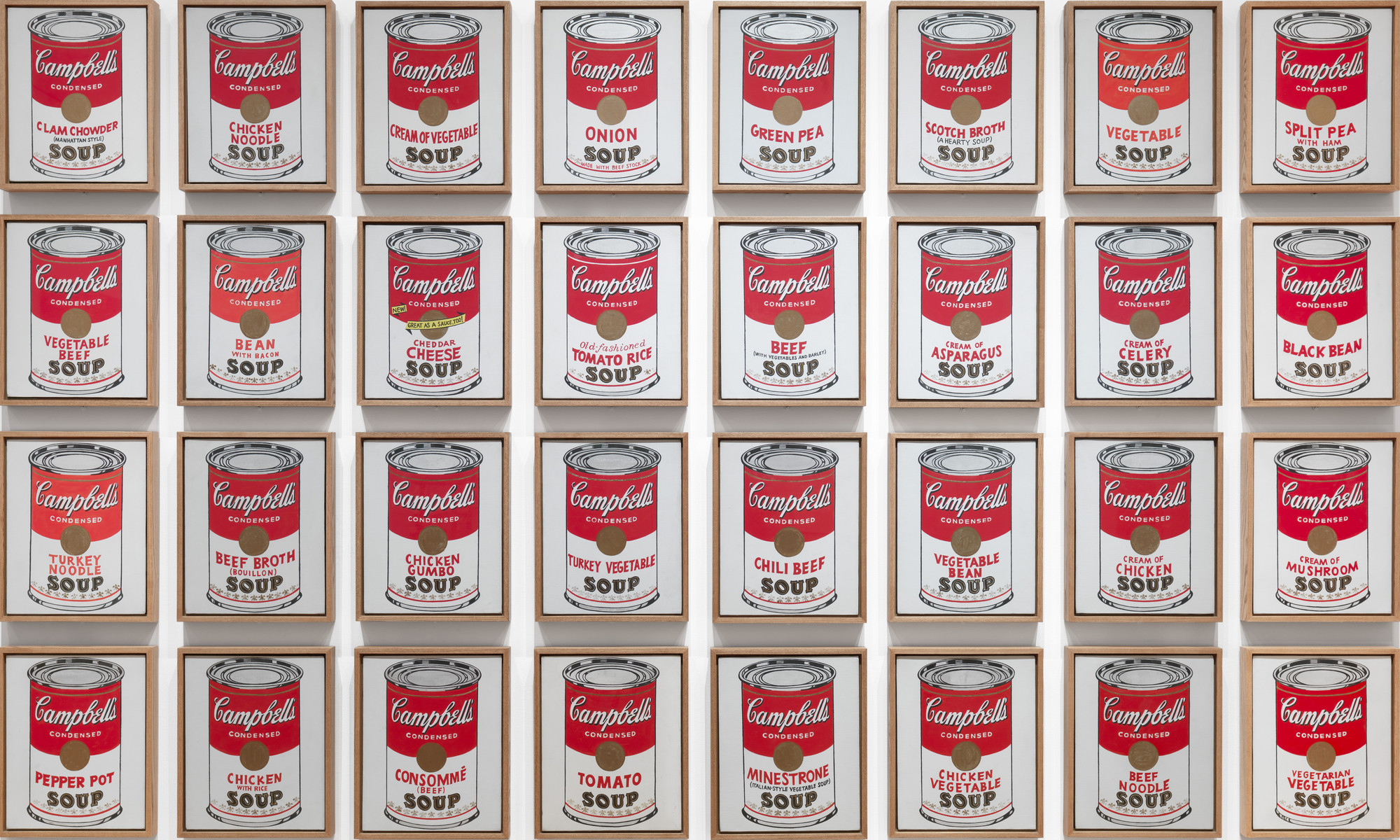
Minimalism (1960-1975), its clean lines and stripped-down forms paralleled the era’s push for clarity and authenticity, a reaction against traditional hierarchies in both art and society.

Abstract Expressionism (1945-1960), captured the raw, unfiltered emotional intensity of a society grappling with its identity amidst rapid change, embodying in the incorporation of body —— the carrier of identity, and motion —— one of the most prominent features of its era.
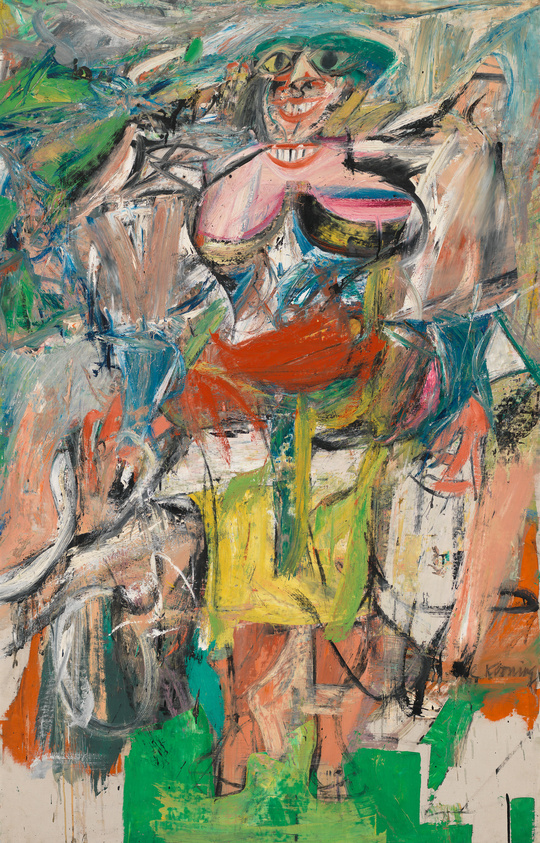
In sum, these movements spoke to the collective consciousness of their time — a zeitgeist marked by rebellion, innovation, and a yearning for transformation.
Entering the era of Modern Art (1860-1970), it is no longer possible to separate the work of art from the context of its time. The interconnection between art and social change during this era cannot be overstated. Art did not merely reflect the evolving social realities—it actively engaged with and even shaped them. Several key artists emerged during the Civil Rights Movement (1958–1964) and Second Wave Feminism (1960–2000), using their work to resist discrimination, celebrate identity, and advocate for diversity.
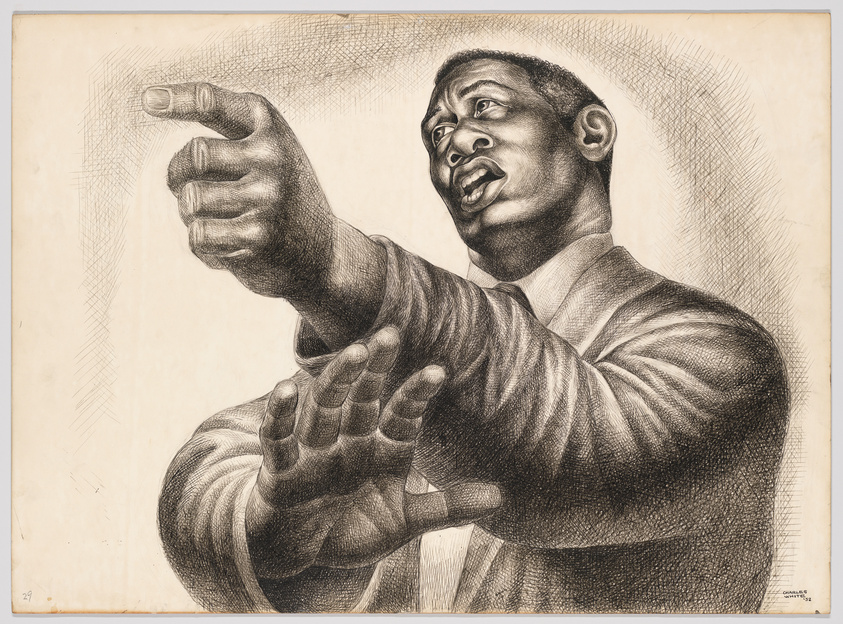
Charles White (1918-1979), an African American artist, was known for creating drawings and paintings that celebrated African American culture and addressed social and political issues to advocate for racial equality and justice.
Judy Chicago (1939-present), is a pioneering American feminist artist who continues creating artworks that celebrate women’s contributions to history and culture while challenging the male-dominated art world.
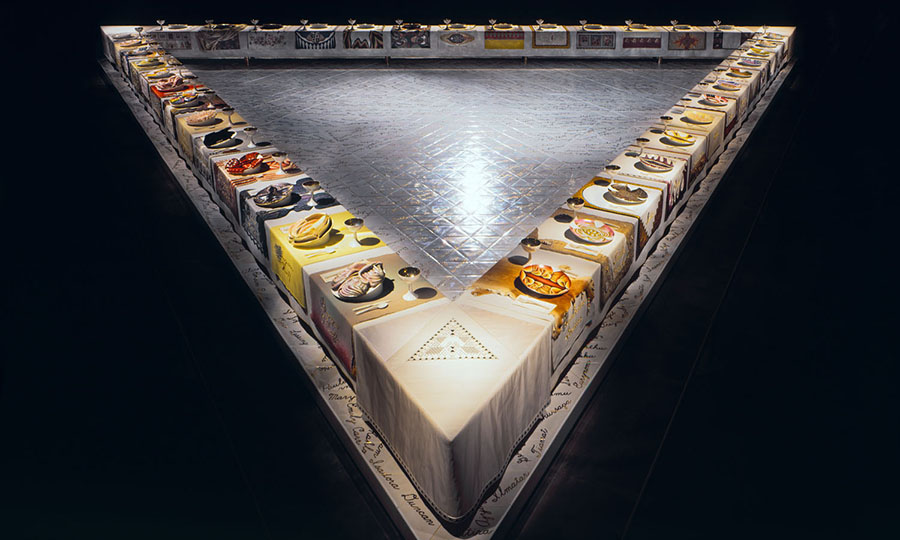
Through their contributions, the intertwined relationship between art and social change became evident: art provided a powerful platform for social critique, while the transformative energy of these movements created an environment where innovative ideas could flourish.
Why Baby Boomers?
Why did Baby Boomer artists come to dominate modern and contemporary museum collections? And why did their generation see an increase in gender and ethnic diversity in museum collections? Part of the answer lies in timing.
Baby Boomer artists emerged during a transformative period shaped by earlier generations’ progress toward equality and representation. Landmark achievements like the Civil Rights Act of 1964, which outlawed discrimination based on race, color, sex, religion, or national origin, influenced not only societal norms but also museum collection practices. Museums began prioritizing equality and diversity, reflecting the broader cultural shifts of the time.
This generation came of age amidst sweeping social and cultural transformations unfolding during their formative years, inspired Baby Boomer artists to explore art as a powerful medium for social activism. Influenced by previous modern artists who expanded art’s boundaries, they embraced experimentation and innovation. Their works captured the cultural relevance that museums sought to preserve, bridging the transition from modern art (1860–1970) to contemporary art (1970s–present).
“The Museum of Modern Art connects people from around the world to the ART OF OUR TIME. We aspire to be a catalyst for experimentation, learning, and creativity, a gathering place for all, and a home for artists and their ideas.”
—— The Mission Statement from COLLECTIONS MANAGEMENT
POLICY, THE MUSEUM OF MODERN ART
Unlike historical museums, which commemorate specific aspects of the past, modern and contemporary art museums interact with the dynamic landscapes of their time. It is their mission to present works that not only capture the spirit of the age but also influence the direction of cultural discourse. Therefore, Baby Boomer artists’ significance lies in their ability to continue, popularize, make varieties, and evolve on the movements established by earlier artists.
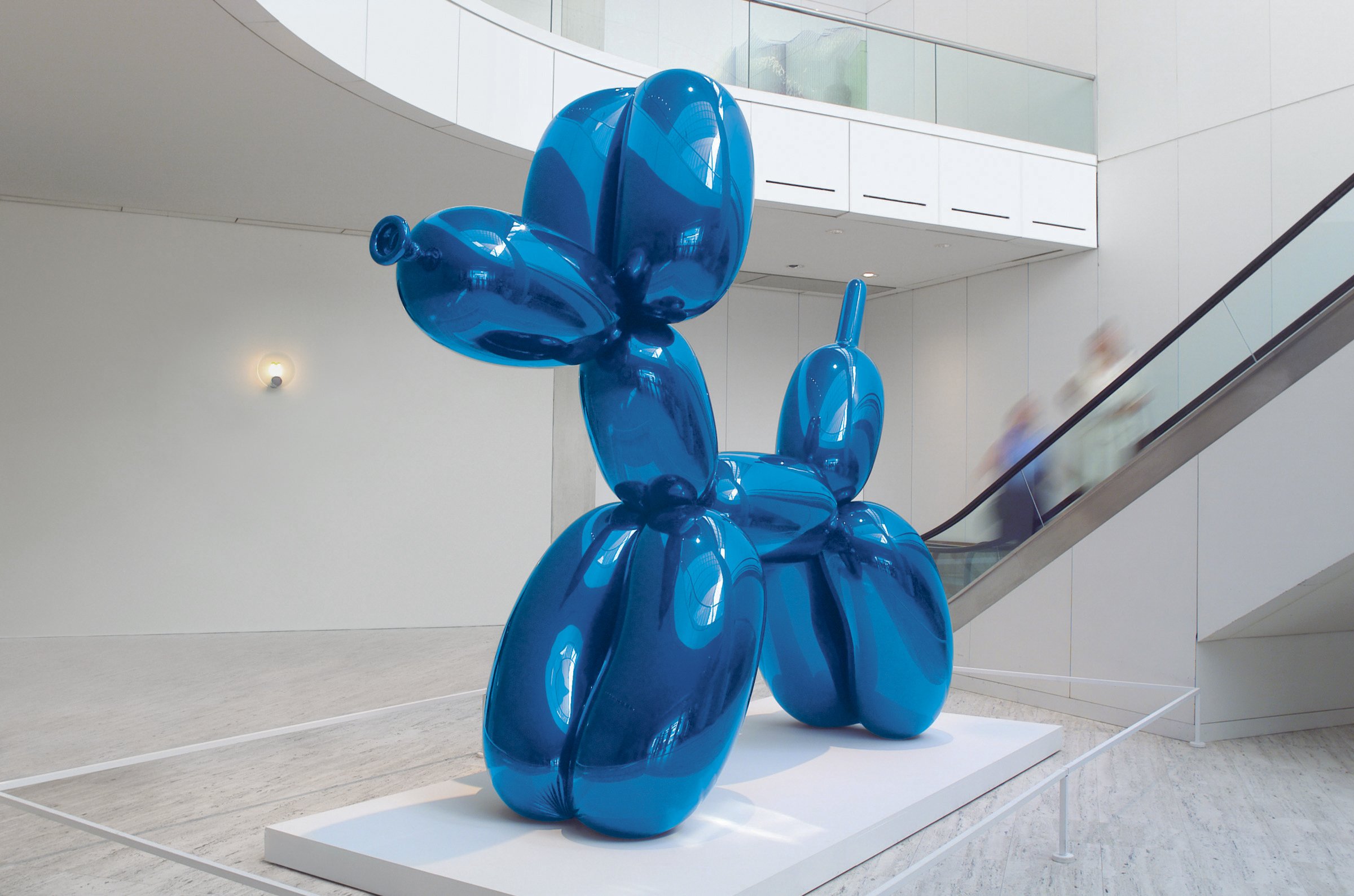
Jeff Koons (1955-present), is a renowned American contemporary artist celebrated for his provocative and whimsical works, such as his large-scale stainless steel sculptures of everyday objects, which blur the boundaries between high art and popular culture.
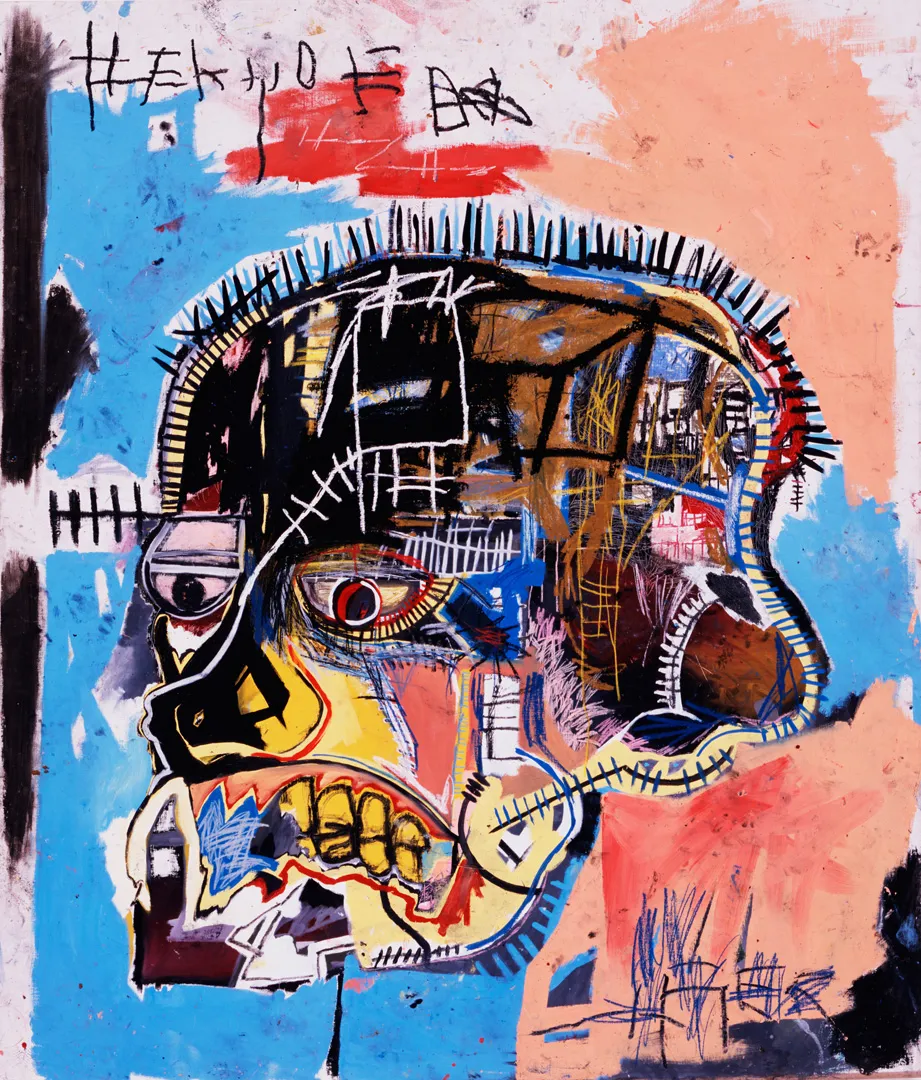
Jean-Michel Basquiat (1960-1988), was a groundbreaking neo-expressionist artist whose vivid, graffiti-inspired works explored themes of race, identity, and social inequality, leaving an indelible mark on contemporary art.
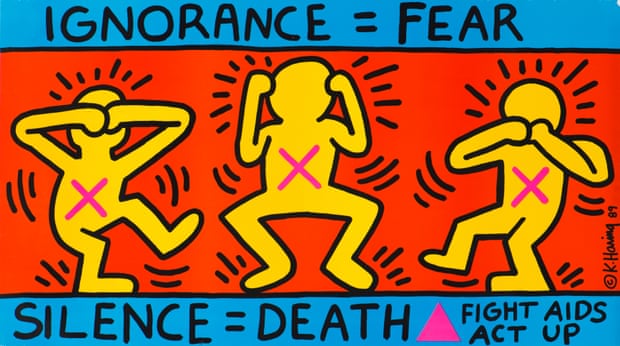
Keith Haring (1958-1990), an American Pop artist who made street poster art, was known for his fluid, uniform lines, intricate compositions, and repeating imagery such as the barking dog and radiant baby.
Koons’ Balloon Dogs elevate mass culture to high art, reflecting the pop art legacy while celebrating consumerism and playfulness. Basquiat’s Untitled fuses abstract expressionism and neo-expressionism with graffiti aesthetics, confronting issues of race and identity in an urban context. Haring’s Ignorance = Fear integrates the bold simplicity of modernist design with the immediacy of street art to advocate for universal awareness of LGBTQ community. Their artworks above reveal shared characteristics that are visually provocative and highly expressive, embodying a contemporary zeitgeist that merges the inheritance of modern art activism with themes of sexuality, universality, and identity.
Conclusion
The patterns and trends in the diversity of 20th-century-born artists in our targeted museums reveal a stark imbalance across demographics. In terms of gender, ethnicity, and regional origin, male, white, and North American artists dominate representation, overshadowing other groups significantly. Notably, Baby Boomer artists emerge as a dominant force in these collections. This prominence invites us to use their generational positioning as a lens to explore the zeitgeist of their times.
The 20th-century zeitgeist is defined by rapid transformation, shifting social landscapes, and the pursuit of freedom and equality fueled by movements like the Civil Rights Movement (1958-1964), Second-Wave Feminism (1960-1980), and evolving cultural norms. It was an era of innovation, marked by modernism’s challenge to traditional values in art and society. The strides toward equality and diversity achieved by previous generations contributed to the increased gender and ethnic representation of Baby Boomer artists in museum collections. Growing up within this vibrant, subversive, and pluralistic atmosphere, Baby Boomers embodied the spirit of their time in their artistic practices. Their prominence in museum collections underscores their role in bridging the modern and contemporary art discourses, while also reflecting the museums’ dual mission: preserving the transformative spirit of the mid-20th century and presenting art that resonates with contemporary audiences.
An Intersectional Perspective
What is Intersectionality?
- Intersectionality is a theoretical framework that describes how multiple forms of oppression, such as race, class, gender, sexual orientation, and religion, interact to create unique experiences and outcomes for individuals.
- The term “intersectionality” was coined by American legal scholar Kimberle Crenshaw in 1989. Crenshaw used the term to describe the unique discrimination faced by Black women, who are members of two groups that commonly face barriers due to racism and sexism.
- It is a tool for understanding how power relations shape inequality. It’s not about adding up different types of inequality, but rather about how they interact with each other.
We prioritize an intersectional perspective in our analysis. We acknowledge factors like race, ethnicity, and gender combine to shape artists’ experiences of underrepresentation and privilege, often in complex and layered ways. For example, a white female artist has greater edge than a non-white female artist in museum representation, and a non-white woman artist is facing greater obstacles than a non-white male artist.
Data Visualization 6

The data visualization above features two pie charts categorizing 20th-century artists by biological gender and illustrating their ethnic diversity within the collections of our targeted museums. These charts straightforwardly highlight the huge disparities in representation, with male artists significantly outnumbering female artists. Additionally, the lack of intersectionality becomes evident in the overwhelming dominance of white artists (click on the charts to view specific percentages for each ethnic group). For instance, on the basis of the great gender disparity, while white female artists constitute approximately 91% of all female artists, Hispanic female artists have the lowest representation at just 2%. Such layered encounters of underrepresentation has led to an particularly tough path to recognition and success in the art world for a non-white female artist.
Data Visualization 7

The bar charts above shows white artists absolute dominance in museum representation, at the same time illustrate the persistent gender disparities among demographics (click on the charts to view specific percentages for each gender). Most represented non-white artists are still men, underscoring persistent gender disparities.
These discoveries reveal our targeted museums’ failure to practice intersectionality. Regrettably, this also indicates that diversity efforts have yet to be fully realized or effectively implemented.