
Frame × Frame
A Digital Humanities Project Created by 6 UCLA Students
About Our Project
The Research Question
What patterns and trends exist in the representation of 20th-century-born artists in the collections of four major U.S. museums, and how does the diversity among these artists reflect the zeitgeist of their time?

Meet the Artists Diversity Team !

Megan Ocampo
Project Manager
Hi, I’m Megan, a 4th-year Sociology major with a minor in Digital Humanities. As Project Manager, I kept track of schedules, milestones, and addressed any roadblocks, ensuring team efficiency and clear communication.
My favorite artist is Hayao Miyazaki!
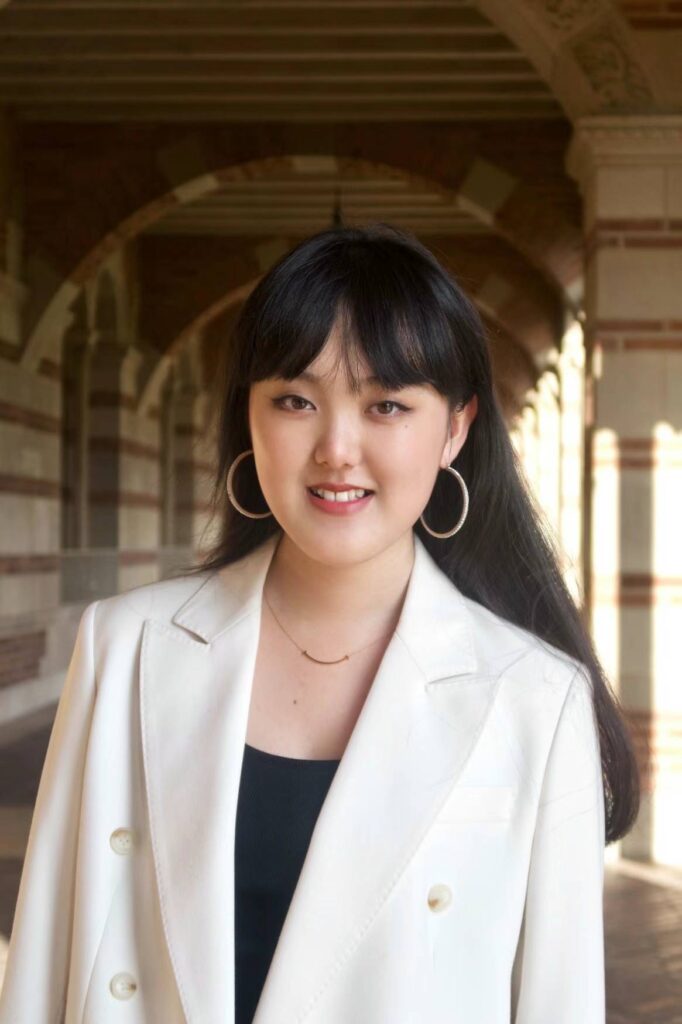
Yifei Wu
Data Visualist
Hi, my name is Fifi and I am a 2nd year Art major minoring in Digital Humanities. As the Data Visualist, I was in charge of visualizing and analyzing data, simplifying complex information, ensuring data accuracy and integrity, while maintaining accessibility and inclusivity. I also helped with web design and composed narratives.
My favorite artist is Georgia O’Keeffe!
Jan Taguiam
Project Data Specialist
Hi, my name is Jan and I’m a fourth-year Los Angeles native majoring in sociology. As the project data specialist, I was responsible for cleaning and refining the data set so that it was standardized and usable for analysis.
My favorite artist is Andy Warhol!
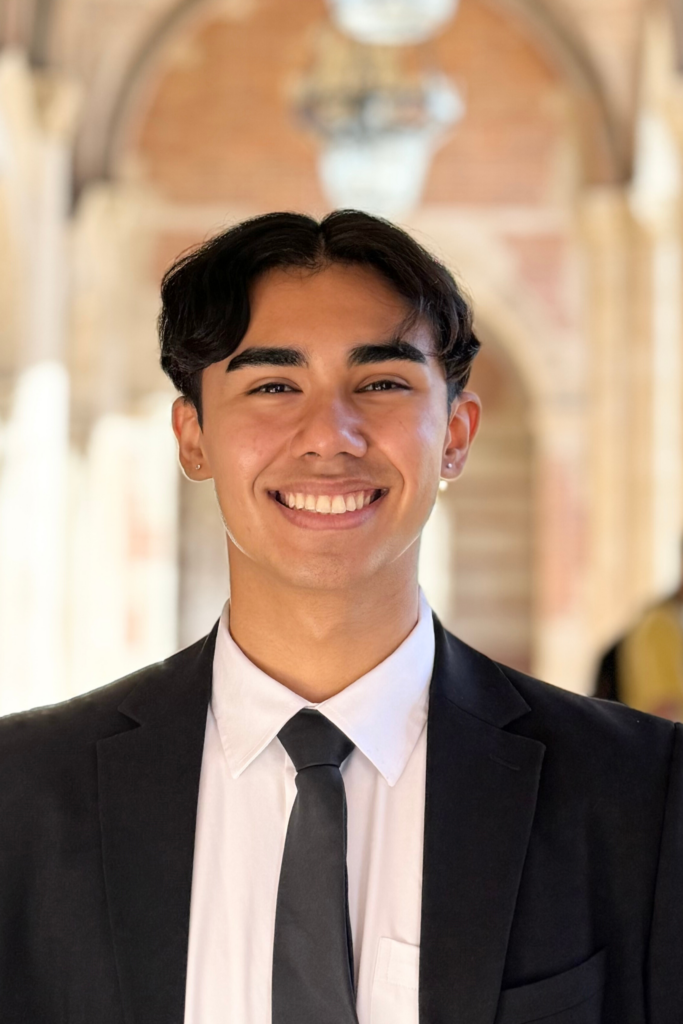
Sean De La Torre
Web Designer
Hi, my name is Sean and I am a 3rd Year Psychology Major from the Central Valley! As the Web Designer, I was responsible for determining layout for our website and developing strategy for preliminary frameworks. I was also responsible for designing visual components of the site to meet accessibility standards and to create consistent branding.
My favorite artist is Yoshitomo Nara!
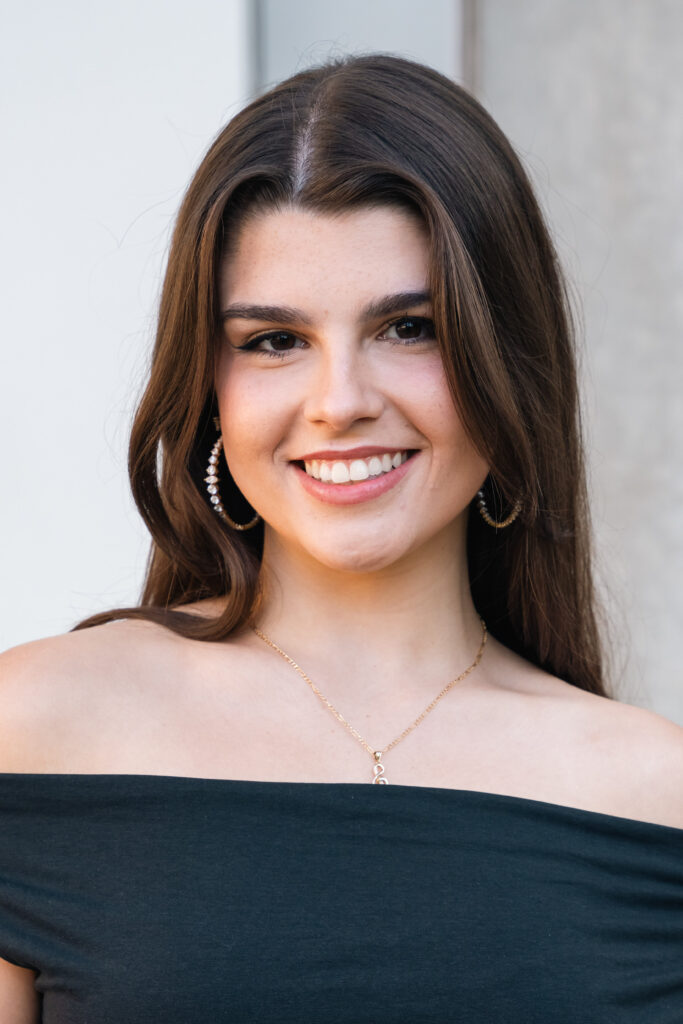
Sabrina Williams
Editor
Hi, my name is Sabrina and I am a fourth-year Theater Major minoring in Entrepreneurship. As the Editor, I was responsible for organizing information and data throughout our website, adding descriptions and explanations, and putting final touches on the overall design.
My favorite artist is: Chloe Wise!
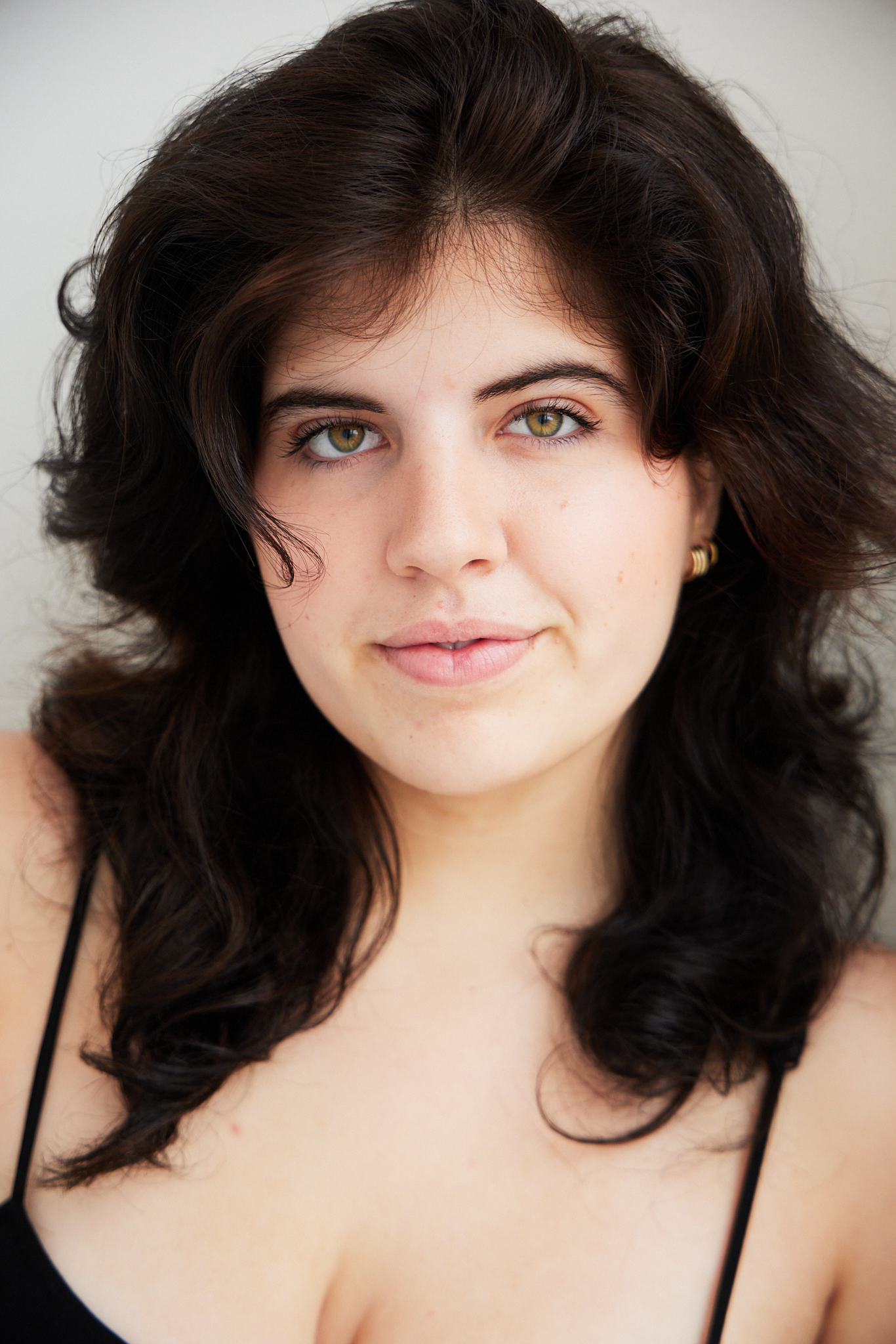
Emilia Vial
Content Developer
Hi, My name is Emilia and I am a senior Theater major with a minor in Entrepreneurship. As the Content Developer, it was my responsibility to take the data sets and observations we made as a team and translate them into comprehensive explanations and conclusions. I turn our inferences into fleshed-out writings that are easy to follow for those exploring our site and understanding our mission.
My favorite artist is: Juan Lascano!
—— A Passion for Diversity ——
Project Sources
To investigate possible patterns and trends exist in the representation of 20th-century-born artists in the collections of four major U.S. museums, and how does the diversity among these artists reflect the zeitgeist of their time, our project draws on the dataset Diversity of Artists in Major U.S. Museums published in PLOS ONE. This dataset provides information of the demographic composition—gender, ethnicity, regional origin, and the birth decade—of 10,000 artists in 18 major U.S. museums. Its large-scale, data-driven approach reveals the historical underrepresentation of women and non-white artists. Their study is essential for assessing past biases in museum acquisitions and uncovering patterns in artists’ demographic representation over time.
Before interpreting our data, we critically examine the potential silences in our dataset. All statements about the artists’ demographics in the dataset are limited to individual and identifiable artists, meaning that the coverage of the data can vary from different museums. Since the dataset is restricted to known sources, it may not reflect the diversity of artists fully and authentically. More information about the data can be found on Our Data page. Furthermore, as we centered our research scope on 20th-century born artists, we extracted data from four major museums known for their modern and contemporary collections——Museum of Contemporary Art, Museum of Modern Art, San Francisco Museum of Modern Art, and Whitney Museum of American Art.
Alongside analyzing the dataset, we read various peer-reviewed journal articles and book chapters on the inclusion of marginalized artists in museums, more information regarding our sources can be found on our Sources page. One example was an interview with Luis Pérez Oramas, former curator at MoMA, who reflects on the institution’s evolving approach to representing Latin American artists and the challenges of contextualizing these works within a predominantly Eurocentric framework. This insight into power dynamics in museum collections guided us to adopt an intersectional perspective in our narratives. Recognizing how race, ethnicity, and gender intersect to shape artists’ experiences of underrepresentation and privilege, we have a more pertinent evaluation on targeted museums’ current practice on diversification. Our emphasis on intersectionality intends to amplify marginalized artists’ voices and demonstrates our commitment to exposing power imbalances and fostering equitable representation for all.
Processing Our Data
The dataset was initially extracted using RStudio, as the original research article provided reproducible R code to collect and visualize the data. We began by thoroughly analyzing the raw data to assess its validity. To ensure consistency, we standardized artist names, excluded non-identifiable entries such as “N/A” to maintain data integrity, and resolved discrepancies. For visualization, we used Tableau to highlight disparities in representation, offering clear insights into diversity—or its lack thereof. The data was filtered and organized for specific analyses to effectively represent artist demographics in U.S. museum collections across various dimensions, including gender, ethnicity, regional origin, and birth decade.
Presentation
This project was created using WordPress, an online content management system, and is hosted on UCLA’s Humspace portal—a website hosting service designed specifically for students in the Digital Humanities Department at the University of California, Los Angeles.
We chose WordPress for its flexibility, which allows our team to design a user-friendly, visually appealing, and well-organized website. Its features enable us to make accessibility-focused edits and formatting adjustments. Thanks to insights and instructions from UCLA’s Disabilities and Computing Program, we applied principles of Accessible Web Design to enhance the user experience. This includes optimizing color schemes, adjusting font sizes, and strategically bolding text for improved readability on digital screens.
For the aesthetic vision, we adopted a clean layout featuring a reddish-orange theme inspired by a color-blind-friendly palette (Orange/Blue spectrum). This color contrasts effectively with the beige background, enhancing readability and clarity. The beige background, with its softer brightness compared to white, minimizes eye strain during prolonged reading sessions. The website layout ensures that readers can easily engage with data visualizations, timelines, and interactive elements. By hovering over or clicking sections, users can seamlessly explore more details.
In keeping with our theme and our project name Frame by Frame, we have also created a golden frame logo to represent our website, which when clicked on will automatically redirect you to this home page.
We hope the reddish-orange theme conveys warmth and joy as you navigate our website!
Acknowledgement
Our project would not have been possible without the guidance of Dr. Wendy Kurtz and Cameron Manning. Through their support during office hours, discussion sections, and lecture meetings, our group gained confidence in our project’s capability to convey our message and developed a more thorough understanding of the importance of critically examining data and information. Their passion for Digital Humanities truly inspired our group to foster the same love for this field and cultivated our sense of accessibility and inclusiveness. We are very thankful for their amazing instructions.